
Beginner’s Guide to Pilates: What to Expect in Your First Class at Joayo Therapy
Starting something new can feel intimidating—especially when it comes to movement, fitness, or rehabilitation. Many first-time Pilates clients worry about whether they’re flexible enough, strong enough, or experienced enough to join a class. At Joayo Therapy, we want you to know one thing: Pilates is for everyone, especially beginners.
Whether you’re dealing with long hours at a desk, chronic tension, postural imbalances, stress, or recovering from an injury, Pilates offers a gentle yet powerful way to reconnect with your body, rebuild strength, and move with confidence.
This beginner’s guide will walk you through everything you need to know before your first Pilates session at Joayo Therapy—from what Pilates really is, to what your first class will feel like, to how it can support your long-term health.
1. What Pilates Really Is (and What It Isn’t)
Pilates is often misunderstood. Some people think it’s just stretching. Others assume it’s similar to yoga or that it’s only for dancers or athletes. In reality, Pilates is a scientifically informed movement system designed to improve strength, posture, alignment, and body awareness.
Pilates focuses on:
• Controlled movement
• Deep core engagement
• Proper breathing
• Joint stability
• Spinal alignment
• Functional strength
Unlike high-impact workouts, Pilates is low-impact and highly adaptable. That’s why it’s widely used in rehabilitation, injury prevention, and clinical wellness settings.
What Pilates Is NOT:
• It’s not about extreme flexibility
• It’s not fast-paced cardio
• It’s not bodybuilding
• It’s not about pushing through pain
At Joayo Therapy, Pilates is taught with a clinical mindset. We focus on safety, posture, joint protection, and functional movement—making it ideal for beginners and those recovering from injuries.
2. Types of Pilates at Joayo Therapy
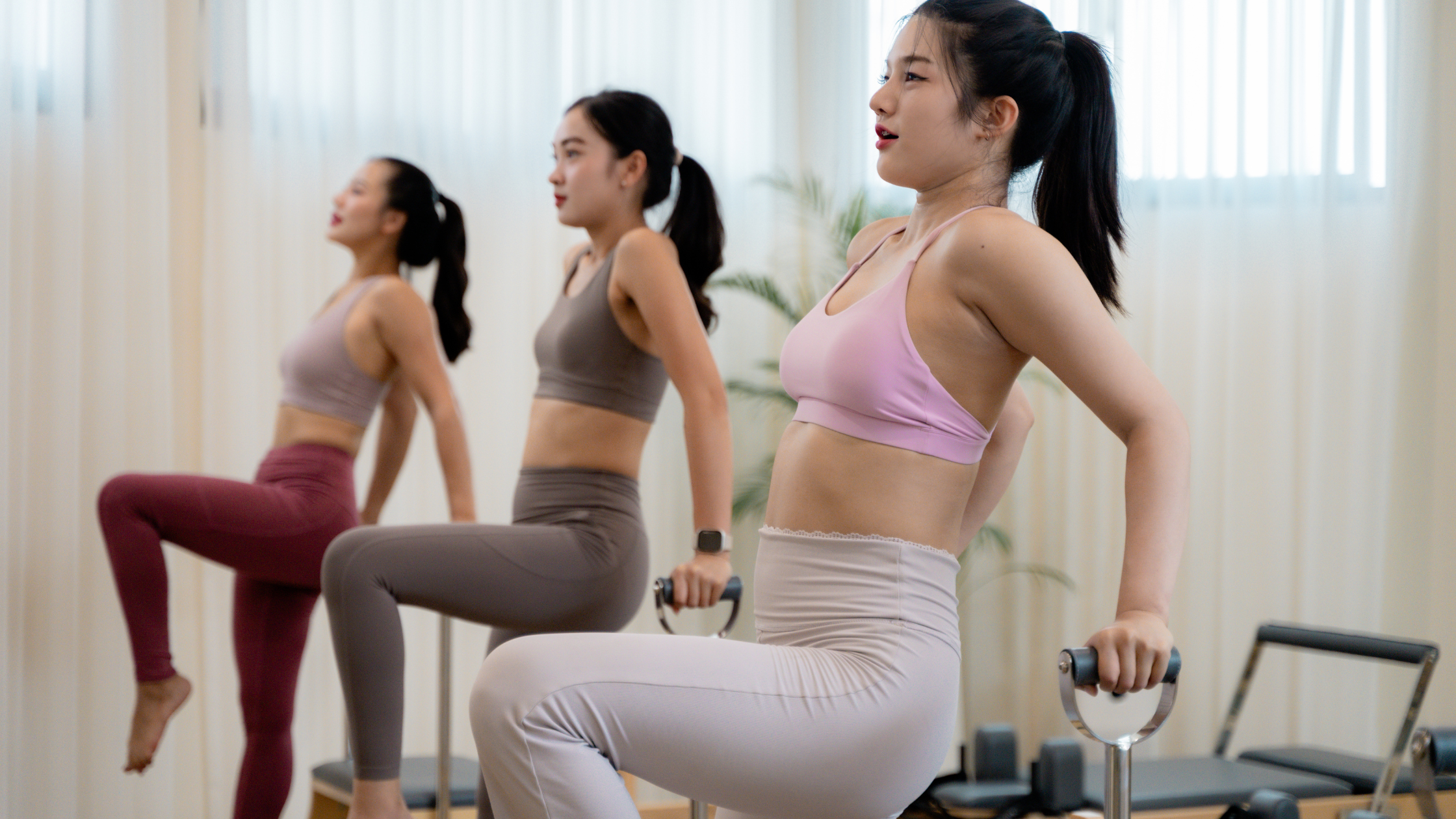
Not all Pilates classes are the same. At Joayo Therapy, we offer several formats so you can find what best suits your needs, comfort level, and goals.
1:1 Private Pilates
This is the best option for beginners, people with injuries, or those who want personalized attention. Your instructor works only with you, adjusting every movement to your body.
2:1 Duet Pilates
Train with a friend, partner, or family member. This format allows for personalized coaching while still feeling social and motivating.
4:1 Group Pilates
Small group sessions that maintain a high level of attention while offering a supportive, community-based experience.
Rehab-Based Pilates
Designed for clients working alongside physiotherapy, chiropractic, or kinesiology treatments. These sessions focus on corrective movement and safe strengthening.
Prenatal & Postnatal Pilates
Tailored for expecting and new mothers, focusing on pelvic stability, gentle strength, and posture support.
Each type of session at Joayo Therapy is guided by trained professionals who understand anatomy, injury prevention, and movement mechanics.
3. Who Pilates Is Perfect For
Pilates is incredibly versatile. It’s not just for people who already feel “fit.” In fact, it’s especially helpful for those who don’t.
Pilates is ideal for:
Office Workers
Long hours of sitting can lead to rounded shoulders, neck tension, tight hips, and weak core muscles. Pilates helps reverse these patterns.
People with Chronic Pain
Back pain, shoulder tension, neck stiffness, and hip discomfort are common reasons people start Pilates.
Injury Recovery
Pilates builds strength without stressing the joints, making it ideal for rehabilitation.
Beginners to Exercise
If you’ve never worked out consistently, Pilates offers a gentle, guided entry point.
Seniors
Pilates improves balance, coordination, and joint mobility.
New Mothers
It helps rebuild deep core muscles and restore posture after pregnancy.
Athletes
Pilates enhances control, flexibility, and injury prevention.
At Joayo Therapy, Pilates isn’t about performance—it’s about sustainability, safety, and long-term wellness.
4. What to Expect in Your First Pilates Class at Joayo Therapy
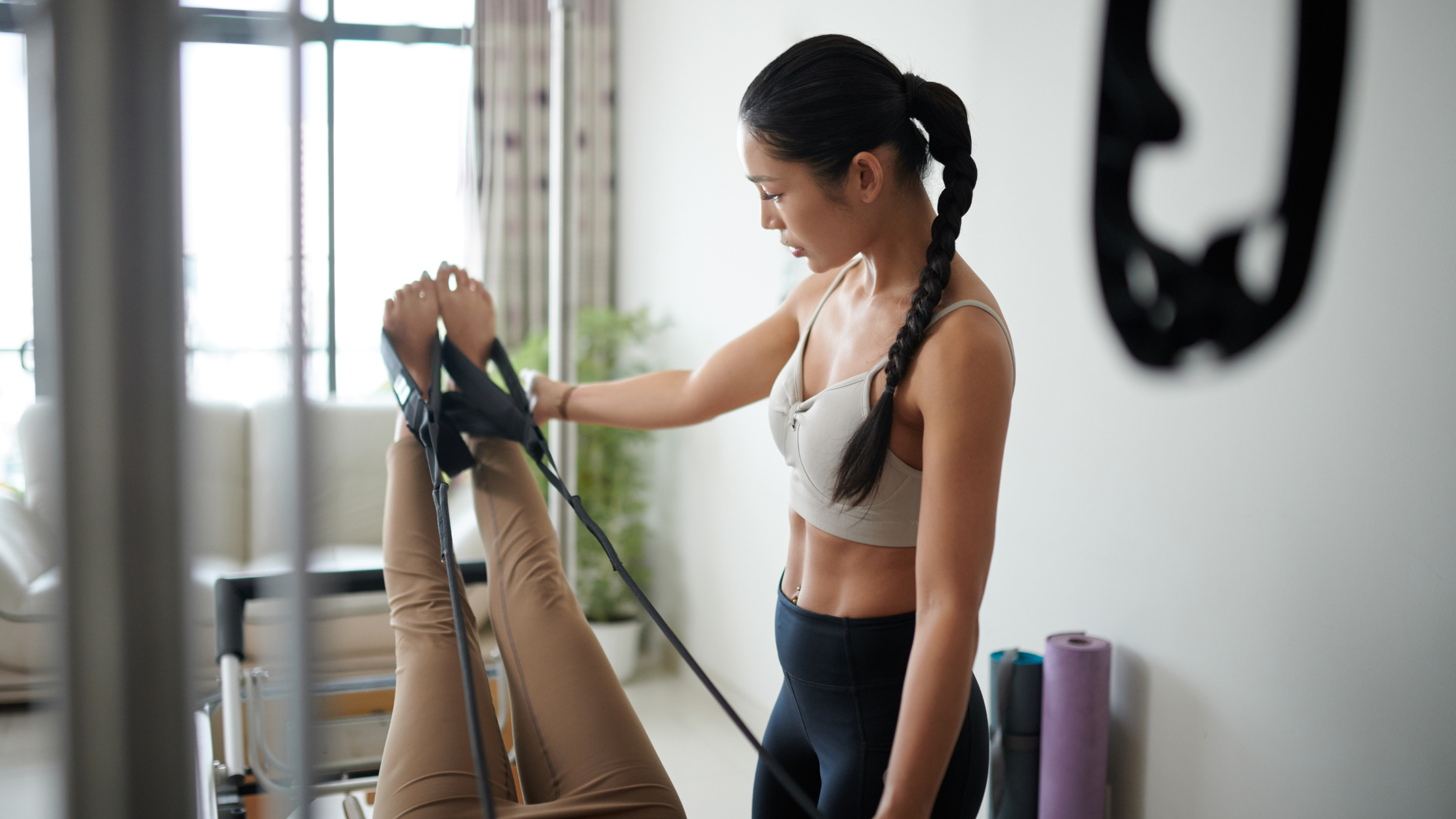
Your first session at Joayo Therapy is designed to make you feel comfortable, supported, and safe.
Step 1: A Warm Welcome
From check-in to your first movement, our team is there to support you every step of the way.
Step 2: Initial Assessment
Your instructor will ask about:
• Your goals
• Any pain or injuries
• Daily habits (desk work, standing, lifting, etc.)
• Past medical or movement history
This helps us customize your experience.
Step 3: Gentle Introduction to Movement
You won’t jump into advanced exercises. Your session will start with:
• Breathing awareness
• Light activation
• Simple postural work
• Slow, controlled movements
Step 4: Hands-On Guidance
Our instructors provide clear verbal cues and, when appropriate, hands-on corrections to help you move safely and effectively.
Step 5: A Calm Pace
There’s no rush. No competition. No pressure to “keep up.” Pilates at Joayo Therapy is about quality over quantity.
5. Common Beginner Fears (and Why You Don’t Need to Worry)
Starting Pilates for the first time can bring up a lot of worries. Many beginners come in thinking they need to be flexible, strong, or experienced. At Joayo Therapy, we want to reassure you: Pilates is designed for beginners.
Here are some of the most common fears we hear—and the truth behind them:
“I’m not flexible enough.”
You don’t need to be flexible to start Pilates. Flexibility develops over time. Pilates gently improves joint mobility and muscle elasticity without forcing your body into uncomfortable positions.
“I’m too weak.”
Pilates is specifically designed to build strength safely. Many exercises use your own body weight, focusing on control rather than power.
“I’ll be embarrassed.”
Pilates classes at Joayo Therapy are calm, supportive, and non-competitive. Everyone moves at their own pace, and your instructor is there to guide—not judge.
“I might hurt myself.”
Because Pilates is low-impact and instructor-led, it is one of the safest ways to start exercising. Our team carefully modifies movements for injuries, pain, or limitations.
“Pilates is only for women.”
Pilates is for everyone. Many men use Pilates to improve posture, reduce back pain, and build functional strength.
6. Understanding Breathing and Core Engagement
One of the most unique parts of Pilates is how much attention is given to breathing and core control.
Pilates Breathing
Pilates uses lateral rib breathing—breathing into the sides of your ribcage rather than lifting your chest. This helps:
• Activate deep core muscles
• Reduce tension in the neck and shoulders
• Improve oxygen flow
• Calm the nervous system
Breathing is not just a warm-up—it’s part of every movement.
Core Engagement
In Pilates, the “core” is more than just your abs. It includes:
• Deep abdominal muscles
• Pelvic floor
• Lower back stabilizers
• Diaphragm
Your instructor will teach you how to gently activate these muscles without straining. This creates stability, protects your spine, and supports better posture.
7. What Muscles Pilates Targets
Pilates is known for building long, strong, and balanced muscles. Instead of isolating one area, it trains your body as an integrated system.
Pilates strengthens:
• Deep abdominal muscles
• Lower back stabilizers
• Glutes
• Hip stabilizers
• Inner thighs
• Upper back
• Shoulder stabilizers
It also improves:
• Joint mobility
• Postural alignment
• Balance
• Coordination
At Joayo Therapy, we focus on functional strength—helping your body move better in daily life, not just during workouts.
8. How Hard Is Pilates for First-Timers?
Pilates is as easy or as challenging as you need it to be.
For beginners, sessions are:
• Slow-paced
• Controlled
• Low-impact
• Gentle on joints
• Focused on technique
You may feel muscles you didn’t even know existed, but you should never feel pain. Mild soreness is normal, especially when activating new muscles—but it should never feel overwhelming.
Our instructors constantly adjust:
• Range of motion
• Resistance
• Speed
• Intensity
This ensures you’re always working at the right level for your body.
9. What a Typical Pilates Session Looks Like
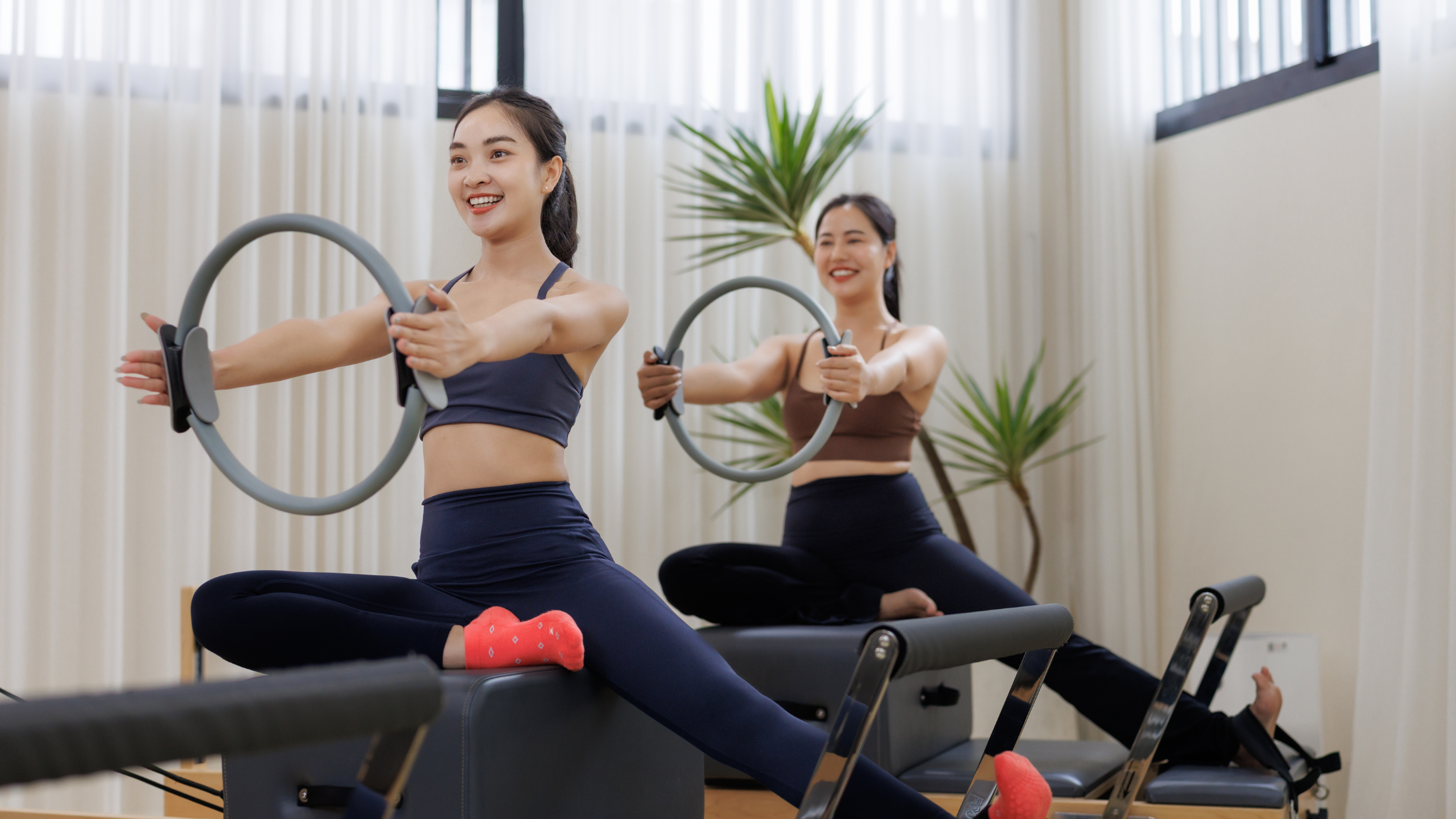
Every Pilates session at Joayo Therapy follows a thoughtful structure designed to protect your body and maximize results.
Warm-Up
Gentle breathing and mobility exercises to prepare your body.
Activation
Light movements to wake up your deep stabilizing muscles.
Main Workout
Controlled, targeted exercises focusing on:
• Core strength
• Posture
• Balance
• Stability
Cool Down
Stretching, breathing, and relaxation to help your body recover.
Reflection
Your instructor may discuss how your body responded and what to focus on next time.
No two sessions are exactly the same. Your program evolves as your body gets stronger.
10. How Often Should Beginners Do Pilates?
One of the most common questions beginners ask is: How often should I practice Pilates to see results? The answer depends on your goals, schedule, and body condition—but consistency matters more than intensity.
Once a Week
If you’re brand new or balancing a busy schedule, once a week is a great start. This allows your body to adapt gradually while building a foundation of movement awareness.
Twice a Week
This is the sweet spot for many beginners. With two sessions per week, you’ll notice improvements in posture, flexibility, and strength much faster.
Three Times a Week
If your goal is faster transformation—especially for posture correction, pain management, or rehabilitation—three sessions per week can bring noticeable changes within a few weeks.
At Joayo Therapy, we help clients build realistic schedules that fit their lifestyle while still producing meaningful progress.
11. When Will You Start Seeing Results?
Pilates works deeply, not instantly. Instead of quick “burns,” it retrains how your body moves and holds itself.
1–2 Weeks
• Improved body awareness
• Less stiffness
• Better breathing
• Mild soreness in new muscles
3–4 Weeks
• Improved posture
• Stronger core
• Reduced tension
• More control in daily movements
6–8 Weeks
• Noticeable strength changes
• Better balance
• Less pain or discomfort
• Increased flexibility
12+ Weeks
• Long-term postural changes
• Reduced injury risk
• Better mobility
• Sustainable strength
Joseph Pilates once said, “In 10 sessions you’ll feel the difference, in 20 you’ll see the difference, and in 30 you’ll have a whole new body.”
12. Why Joayo Therapy Is Different
Many Pilates studios focus purely on fitness. At Joayo Therapy, Pilates is part of an integrated healthcare and movement approach.
Clinical-Based Approach
Our Pilates programs are informed by:
• Physiotherapy
• Kinesiology
• Chiropractic
• Rehabilitation science
This allows us to safely support:
• Chronic pain
• Injury recovery
• Postural correction
• ICBC clients
• Desk-related issues
Multidisciplinary Team
We work collaboratively across specialties, ensuring your Pilates program aligns with your physical needs.
Personalized Programming
No two bodies are the same. Every client receives customized movement plans based on:
• Mobility
• Strength
• Pain patterns
• Lifestyle
Calm, Supportive Environment
Our space is intentionally designed to feel safe, calm, and welcoming—especially for beginners.
Frequently Asked Questions About Starting Pilates
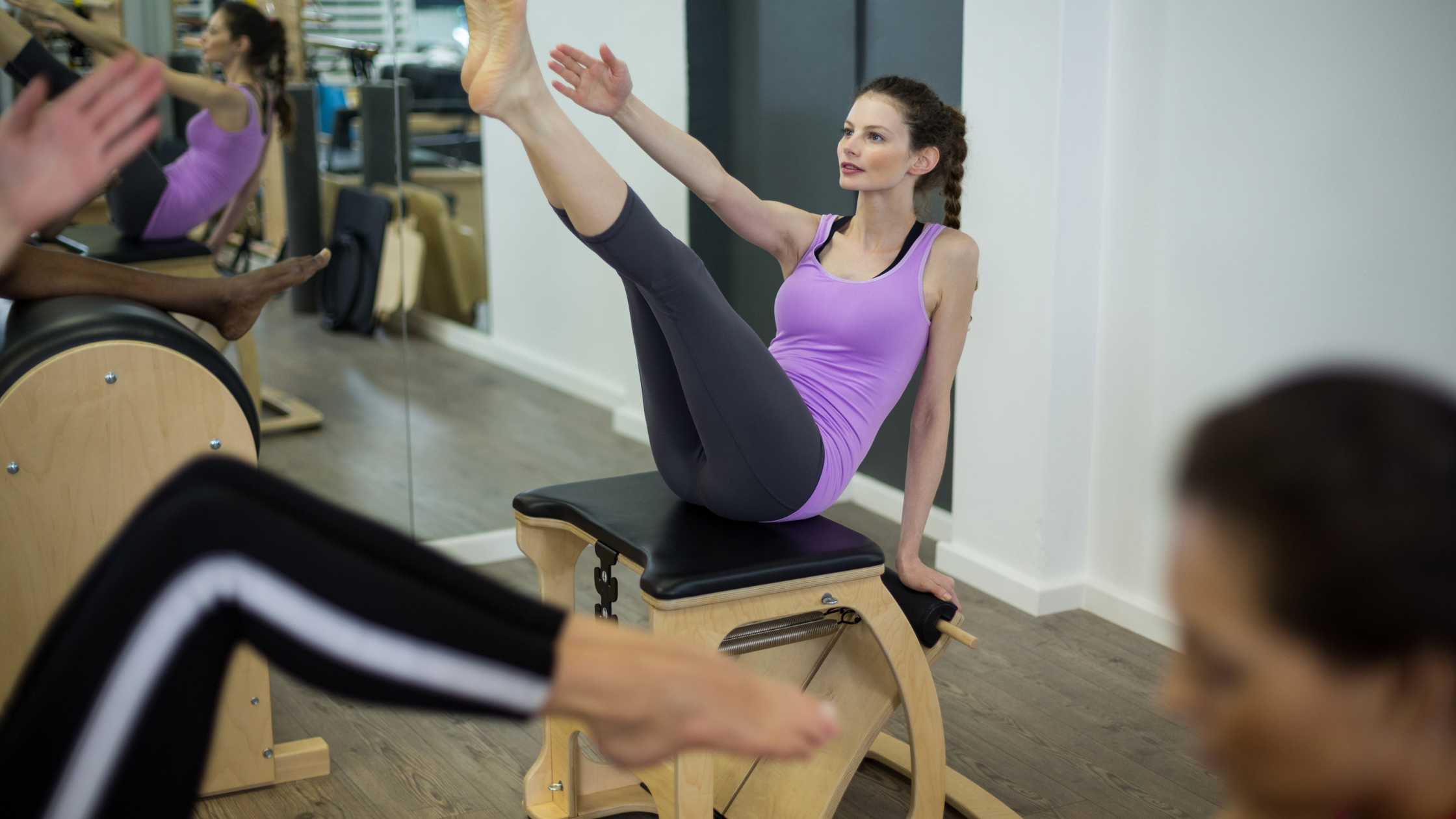
Starting something new often comes with questions. Here are some of the most common ones we hear from beginners at Joayo Therapy.
Is Pilates safe for beginners?
Yes—Pilates is one of the safest forms of exercise for beginners. It’s low-impact, controlled, and highly adaptable. At Joayo Therapy, all sessions are guided by trained professionals who ensure movements are safe and appropriate for your body.
Do I need to be flexible?
Not at all. Pilates helps you become more flexible over time. You do not need any prior flexibility to start.
Can Pilates help with back pain?
Absolutely. Pilates strengthens deep core muscles that support the spine, improves posture, and reduces strain on the lower back. Many of our clients come to us specifically for back and neck pain.
What if I have an injury?
We specialize in rehab-based Pilates. Our team works alongside physiotherapy and kinesiology to create safe programs for injury recovery.
Is Pilates hard?
Pilates is gentle but effective. You’ll feel muscles working—but never in a painful or overwhelming way.
How long is a session?
Sessions typically range from 45–60 minutes, depending on your program.
What should I wear?
Wear comfortable, fitted clothing that allows you to move freely. Grip socks are recommended.
Why Pilates Is a Powerful Long-Term Investment
Unlike trendy workouts that come and go, Pilates is designed to support your body for life. It improves how you move, sit, stand, walk, and breathe—every single day.
Long-term Pilates practice can help with:
• Better posture
• Less pain
• Improved balance
• Reduced injury risk
• Stronger core
• Increased energy
• Greater body awareness
Instead of pushing your body, Pilates teaches you how to work with it.
Experience Pilates at Joayo Therapy
At Joayo Therapy, Pilates is not about aesthetics or performance—it’s about helping you feel stronger, more confident, and more comfortable in your own body.
We welcome:
• Absolute beginners
• People with chronic pain
• Post-injury clients
• Desk workers
• Seniors
• New mothers
• Athletes
Every program is tailored. Every body is respected. Every movement is purposeful.
Ready to Begin Your Pilates Journey?
Starting Pilates can feel intimidating—but you don’t have to do it alone. Our team is here to guide you every step of the way.
Whether your goal is pain relief, better posture, stress reduction, or rebuilding strength, we’ll create a plan that works for you.
📍 Joayo Therapy
4664 Lougheed Hwy #100C, Burnaby, BC
📞 604-558-1347
📧 info@joayotherapy.ca
🌐 joayotherapy.ca
✨ Book your first Pilates session today and discover what your body is capable of.
